








As winter settles over Ottawa and the first snow begins to fall, it’s a reminder that our houseplants, much like us, need a little extra care and adjustment during the colder months. Keep in mind that Ottawa winters can be harsh but our houseplants are shielded from these extremes.
Many plant lovers that come into the store express worry about what these seasonal changes mean for their houseplants. Fear not! This guide will help you to keep your plant collection looking just as lush and lively as they do in the summer months.
How to care for your house plants during winter

-
Rethink watering
In the winter, the sun travels south and the days become shorter. Sometimes less sunlight can mean that plants are receiving less energy to grow, so they naturally drink less water. However heaters and furnaces simultaneously dry out the air, and therefore the soil, faster too.
Adjusting plant watering can be confusing with this conflicting information. As a general rule I recommend avoiding following a strict weekly schedule because this doesn't account for environmental changes. The best way to know when you should water your plant is by basing your watering frequency on the dryness of your plant's soil. Become familiar with your plant's preferences and test the soil's moisture level regularly. We use the terms 25%, 50%, 75% or 100% to refer to how dry each plant likes their soil before watering. You can have a look at our website to find out what your plant's dryness level preferences are.
-
Reduce or stop fertilizing
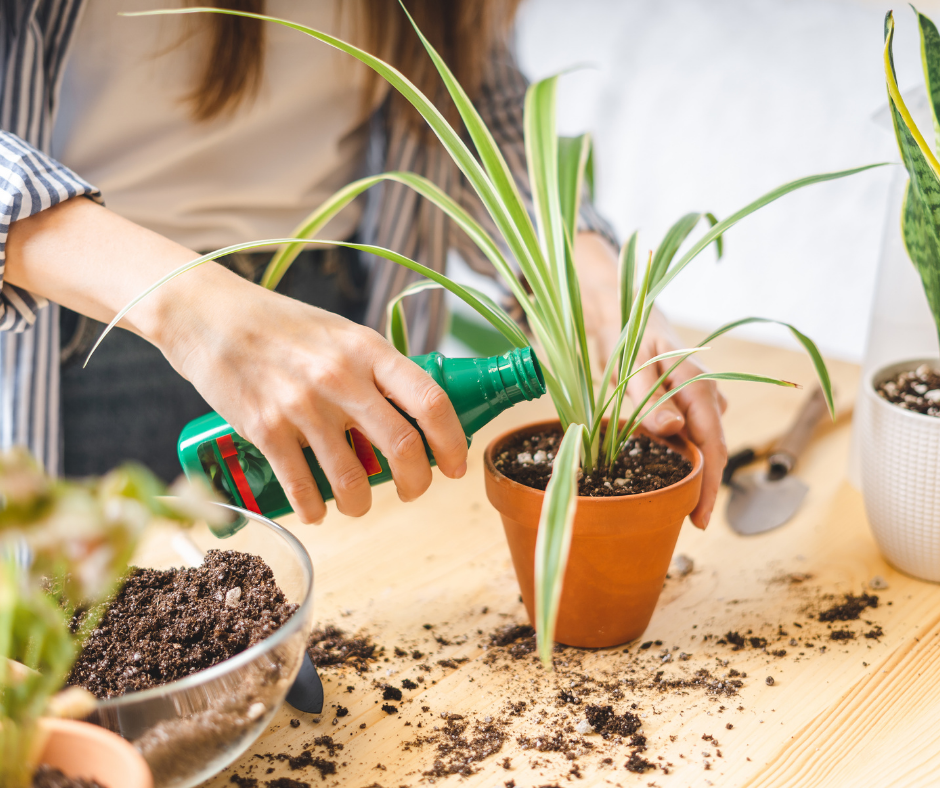
Fertilizer helps plants absorb nutrients and encourages strong, healthy growth during their active growing season. However most houseplants slow down their growth or go dormant during winter, which means that they aren't using those extra nutrients. Continuing to fertilize your plant in the winter can cause a buildup of unused minerals and salts which can damage roots and lead to long-term health issues.
If your plant is still actively growing, it’s okay to fertilize — just do so sparingly. I recommend switching to an organic, natural fertilizer during the winter months (and honestly, even during summer). Organic fertilizer they contain gentler nutrient levels, allowing you to feed your plants safely without risking fertilizer burn.
-
Adjust temperatures
The ideal temperature for house plants is between 21-27°C. Make sure your keep your space warm and cozy for them to stay at an ideal temperature.
It is important to note that locations in your home that experience extreme temperature such as:
- Spots near drafty windows
- Places close to doors that get opened frequently
- Positions in the path of a heater
will stress a plant out and so any plants in these areas should be moved. Some hardy plants can tolerate these spots, but I recommend moving them all to keep them in peak health.

-
Increase humidity
With the cold air and the increased use of heaters, indoor air can become very dry. Houseplants often prefer humidity levels of around 50–60%, and so when air moisture drops, they can start to show signs of stress: crispy leaf tips, drooping, or slowed growth.
Using a humidifier is one of the most effective ways to raise humidity. You can also group your plants together to create a small “microclimate,” where they naturally share moisture and increase the humidity around each other.
Another simple option is to use a pebble tray: fill a shallow dish with rocks and add water just below the tops of the pebbles. Simply place your plants nearby. As the water evaporates, it gently boosts humidity in the immediate area without risk of overwatering.

-
Add more light
Even when you're doing everything right for your plant, sometimes there is just not enough light in the winter. Adding more light to your sun-loving plants can be as simple as moving a plant closer to the window (keep in mind the temperature of that location if it is close to a drafty window). Plants will make it through the winter with less light but you may notice them slowing down or growing leggy.
If you want your plants to keep growing throughout winter, consider supplementing the lack of light with some grow lights. If there is already natural light coming in, keep your grow lights on for 8-10 hours for places with very little light. You can also try 12-16 hours for optimal results.
To learn more about grow lights, I recommend looking at The House Plant Journal's blog post on grow lights. This provides an in-depth analysis of various grow lights that are on the market and how to use them.
-
Check for pests
This tip is especially important if you’re bringing plants back indoors after they've spent the summer months outside. Even if your plants were only on a balcony, exposure to outdoor conditions makes them more susceptible to pests. Bringing them inside can also spread infestations to your other plants.
When transitioning a plant back indoors:
-
Isolate it in a separate room away from other houseplants.
-
Give it a full pest treatment using neem oil or insecticidal soap, following the instructions carefully.
-
Repeat weekly for 3 weeks, checking the plant closely for any signs of pests.
Once the plant has been clean for several weeks, it’s safe to bring it back into your main plant space.

-
Dust leaves
Winter often brings increased dust due to dry indoor air and reduced ventilation from heating systems. Dust buildup can block light from reaching the leaves of your plants — and since winter already limits available sunlight, this can impact your plant's ability to photosynthesize even more. Use a microfiber cloth to wipe off dusty leaves periodically. For bonus points you can use a foliage spray to give it an extra shine.
-
Avoid repotting
Resist the urge to repot your plants! Since your plants are now in a slow growth or dormancy phase, any sudden changes to your plant's environment, like a repot, will create unnecessary stress that will be difficult for your plant to bounce back from. This is why we always recommend repotting in the spring and summer time.
If you notice that the soil is drying out faster than usual (a common sign of plants needing a repot) it is best to either top up the soil or increase your watering to account for the change until you can repot in the spring.
Only repot a plant if it absolutely needs it - for example, if the plant is severely root-bound; has fallen over/is at risk of falling; or is dealing with an issue that requires fresh soil (such as pests or root rot).
Conclusion
As the cold Ottawa winter takes hold, and the greenery outside fades away, it feels even more important to keep our indoor oases thriving. Seasonal changes will naturally affect your houseplants’ habits, but by adjusting your care routine along with them, you can help your plants stay healthy, happy, and vibrant throughout the darker months. With just a bit of extra attention, your indoor jungle can continue to be a source of warmth and life all winter long.
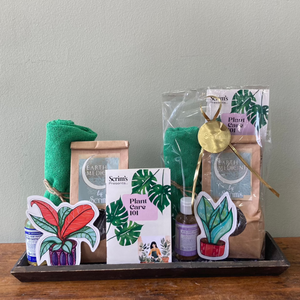
Consider our Plant lovers gift bags for this holiday season. Perfect for the plant lover in your life! They include a natural fertilizer that can be used all season long and a micro fiber cloth with Dr bronners for pest treatment and plant dusting.






0 comments